

Wildflowers and Blossoms: When the Desert Comes Alive in March
Posted in: Education, Nature, Outdoor adventures on March 26, 2026.
The Desert in Bloom
People are often surprised by what the desert does in spring. The assumption — reasonable, if you’ve only seen Southern Utah in the summer — is that a landscape this arid and rugged blooms reluctantly, if at all. The truth is quite different. When the conditions are right, Capitol Reef and the surrounding canyon country put on a floral display that rivals almost anything in the American West. And it begins, quietly, in March.
This is the month when the desert starts its annual transformation. It doesn’t happen overnight, and it’s rarely dramatic in the Instagram-superbloom sense. But if you know what to look for and where to find it, March in Southern Utah is genuinely beautiful in ways that most visitors never get to see.
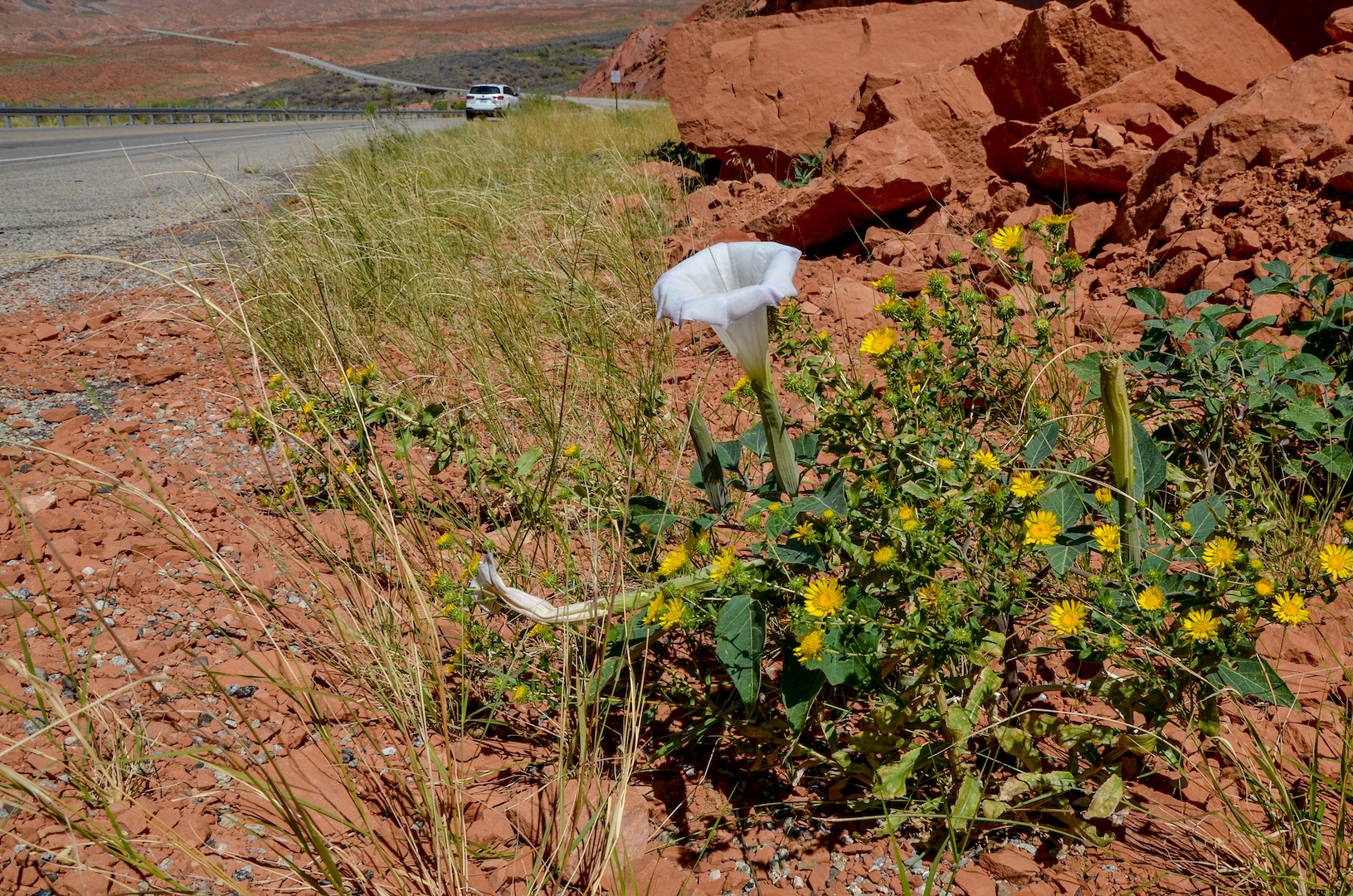
Photo courtesy of Shutterstock
Why the Desert Blooms When It Does
Desert wildflowers run on a schedule driven by two things: moisture and temperature. Winter precipitation — whether it fell as snow in the higher elevations or rain at the canyon floor — determines how robust the bloom will be. March’s slowly warming days start unlocking the soil moisture that’s been building up all winter, coaxing seeds that have been dormant for months (sometimes years) into action.
The lower elevations around Capitol Reef warm up earliest, so the first March wildflowers typically show up in south-facing washes, canyon bottoms, and desert scrub zones well below the park’s rim country. As the month goes on and temperatures climb, the blooms move higher.
What’s Blooming in March
The early-season palette at Capitol Reef leans toward purples, yellows, and whites — the cool-temperature bloomers that can handle nights still dipping below freezing. Here are some of the species you’re most likely to encounter this month:
- Desert Phlox — Low, spreading mats of white-to-pale-pink blossoms on rocky slopes and canyon rims. One of March’s most reliable wildflowers — it blooms early and can survive light frosts.
- Sagebrush Buttercup — One of Utah’s earliest spring flowers. Bright yellow and cheerful, showing up at the edges of sagebrush flats and in open desert terrain as early as late February in mild years.
- Cryptantha (White Forget-Me-Not) — Tiny white flowers in sandy wash bottoms and open desert flats. Easy to overlook, genuinely lovely up close.
- Utah Milkvetch — A striking native with deep rose-purple flowers that starts blooming in late March in sandy desert soils. Look for it along Hwy 24 in good spring years.
- Cliffrose — A native shrub that produces fragrant cream-colored blossoms in late March and early April. Beloved by pollinators and one of the signature plants of the Waterpocket Fold ecosystem.
- Filaree (Stork’s Bill) — A small pink-purple wildflower that carpets roadsides and open ground throughout Southern Utah in early spring. Technically introduced, but unmistakably a sign of the season arriving.

Photo by Annie Spratt via unsplash.com
The Fruita Orchards: A Bloom Worth Watching
One of the most anticipated spring events at Capitol Reef isn’t a wildflower at all — it’s the blossoming of the Fruita orchards in the park’s Historic District. The roughly 1,900 fruit trees maintained by the National Park Service include cherries, apricots, peaches, apples, and pears, all planted originally by Mormon settlers in the late 1800s.
The cherry and apricot trees are typically the first to bloom, often in late March or early April depending on the year’s weather. A row of cherry trees in full bloom, set against red sandstone cliffs with the Fremont River running nearby — it’s one of those scenes that genuinely stops people in their tracks. There’s nothing quite like it in Utah’s national park system. Stop in at the Visitor Center to check current orchard conditions; the rangers are usually happy to point you toward whichever trees are looking their best on any given day.
Tips for Making the Most of Wildflower Season
- Get low and slow — A lot of the most beautiful desert wildflowers are only an inch or two tall. Slowing down, crouching beside the trail, and actually spending time with what’s around you makes a dramatic difference in what you notice. The macro setting on your phone camera opens up a whole other world.
- Explore varied terrain — In desert ecosystems, wildflower communities are tightly tied to soil type and drainage. Sandy wash bottoms, rocky slopes, and clay flats will often host completely different species within a few hundred feet of each other. The more terrain you cover, the more you’ll see.
- Stay on the trail — The dark, crusty soil surrounding many desert plants is biological soil crust — a living community of organisms that takes decades to regenerate once disturbed. Stepping off-trail to get closer to a flower causes more damage than it looks like. The best wildflower viewing happens from the trail itself.
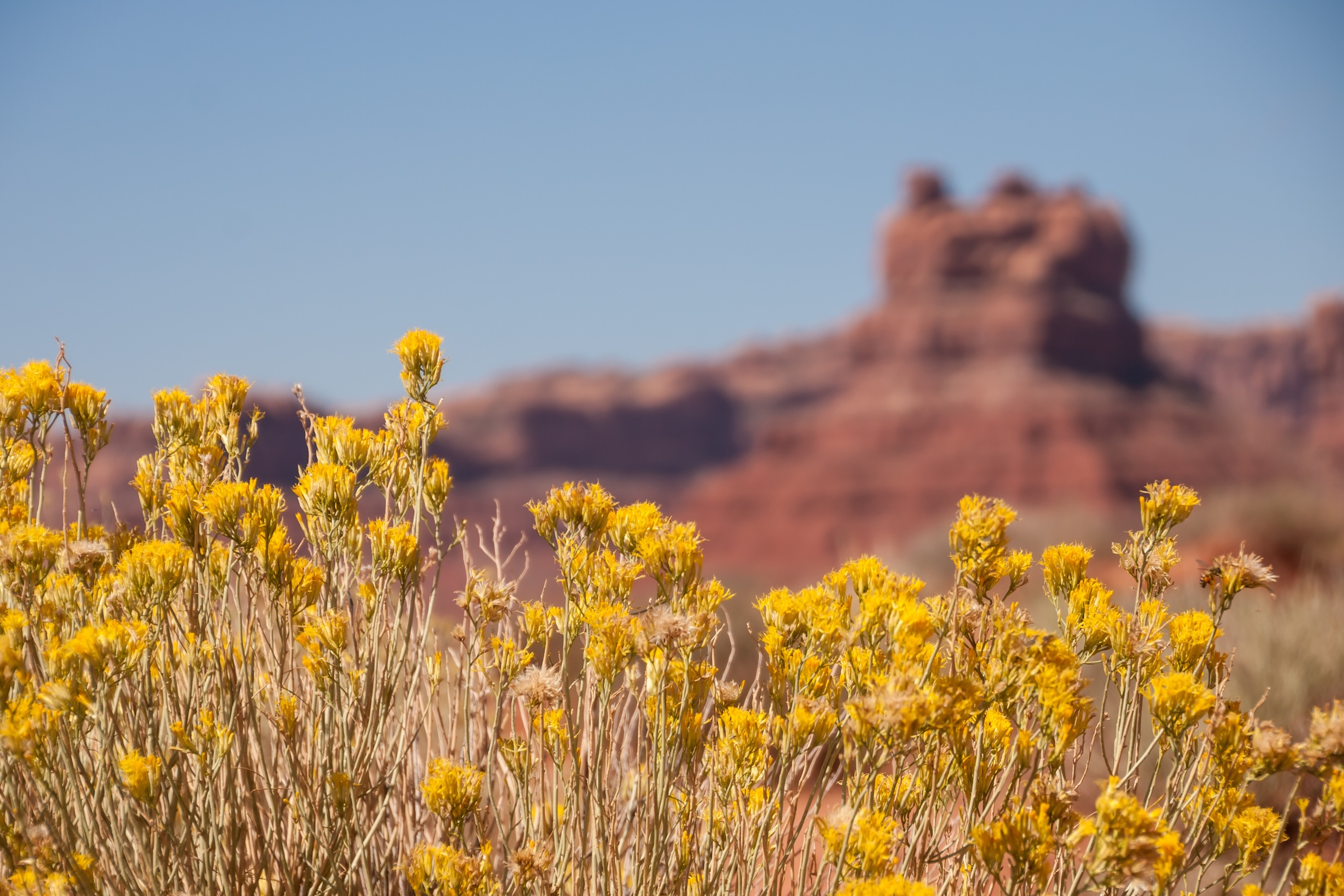
Photo courtesy of Shutterstock
Spring at the Ranch
The grounds around the Lodge at Red River Ranch get in on the season too. The meadows along the Fremont River see their own early-spring bloom, and guests who take a quiet morning walk along the water often find themselves catching the first small signs of a desert spring — a cluster of pale flowers in the rocky bank, a fresh green flush of grass, the faint fragrance of something blooming just around the bend in the trail.
Out here, the seasons don’t announce themselves with much noise. They arrive gently, incrementally, and with a quiet beauty that rewards attention. March is when it all begins. And if you’re here for it — well, that’s what we’re here for too. Come stay, and be here when the desert blooms.