

What Makes Capitol Reef a Dark Sky Park, And Why It Matters
Posted in: Education, Outdoor adventures on August 27, 2025.
What Makes Capitol Reef a Dark Sky Park, and Why It Matters
When the sun drops below the cliffs at Capitol Reef, something shifts. The red rock goes to shadow, the air cools, and one by one the stars start showing up.
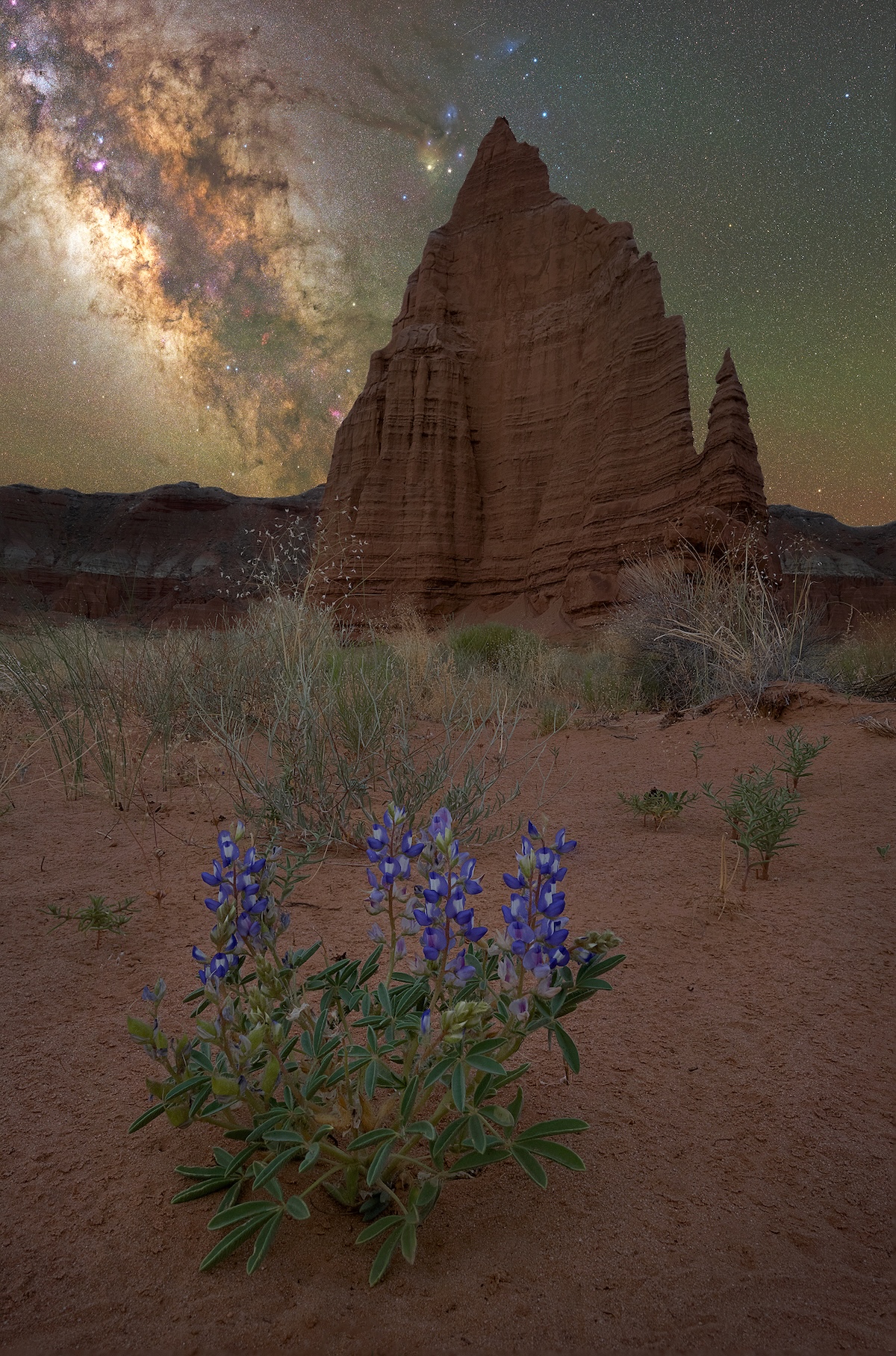
Photo courtesy of NPS
If you’ve spent most of your life under city or suburban skies, the first time you look up out here can be a little disorienting (in a good way). The Milky Way stretches all the way across, thick with light. Planets glow like lanterns. If you watch long enough, you can pick out satellites tracing their paths across the dark. This is what the night is supposed to look like. And Capitol Reef is one of the few places left where you can still see it.
What Does It Mean to Be a Dark Sky Park?
Back in 2015, Capitol Reef National Park earned the Gold Tier International Dark Sky Park designation — the highest level awarded by the International Dark-Sky Association (IDA). Getting there meant years of work: auditing the park’s lighting, replacing fixtures with night-sky-friendly ones that shield and direct light downward, expanding ranger programming on astronomy. These are the kinds of actions IDA looks for when certifying parks (NPS news release; NPS: Night Sky; DarkSky announcement; NPS: Dark Sky Park FAQs).
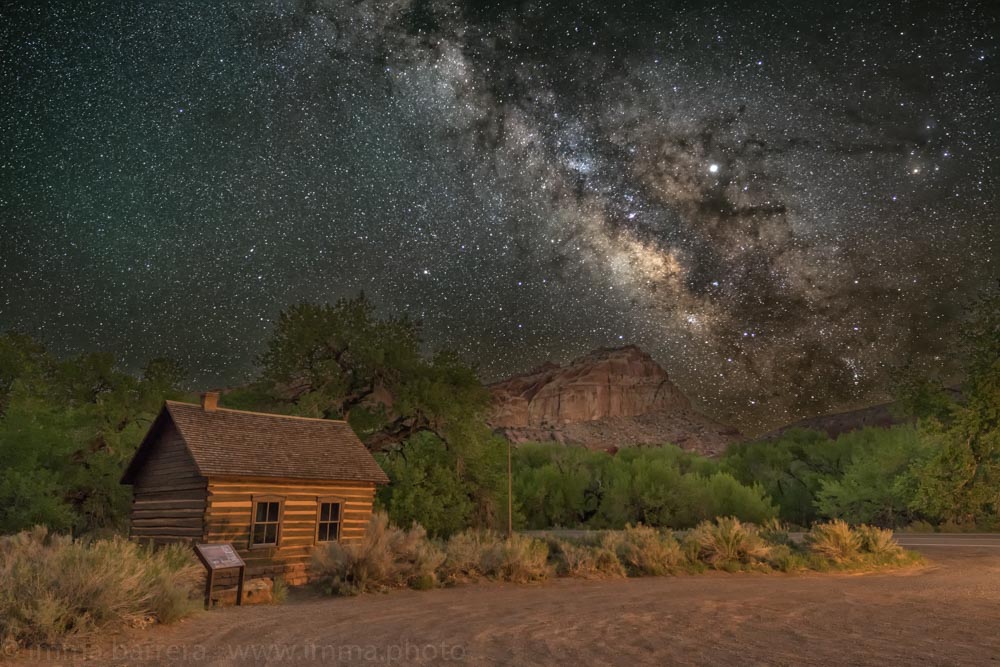
Photo courtesy of NPS
All that effort paid off. With the designation, Capitol Reef joined a global network of parks committed to protecting the natural night. For visitors, what that means is simple: you get to experience the kind of starlight our ancestors took for granted. Brilliant, unfiltered, and a little humbling.
Why Stargazing Is Getting Harder Everywhere Else
Step outside in Salt Lake City, Denver, or Los Angeles on a clear night and you’ll see maybe a handful of stars. That’s because over 80% of Americans — and 99% of people in the U.S. and Europe — can no longer see the Milky Way from home (TIME; National Geographic). About one-third of humanity lives under skies so bright that the Milky Way has simply disappeared (WIRED).
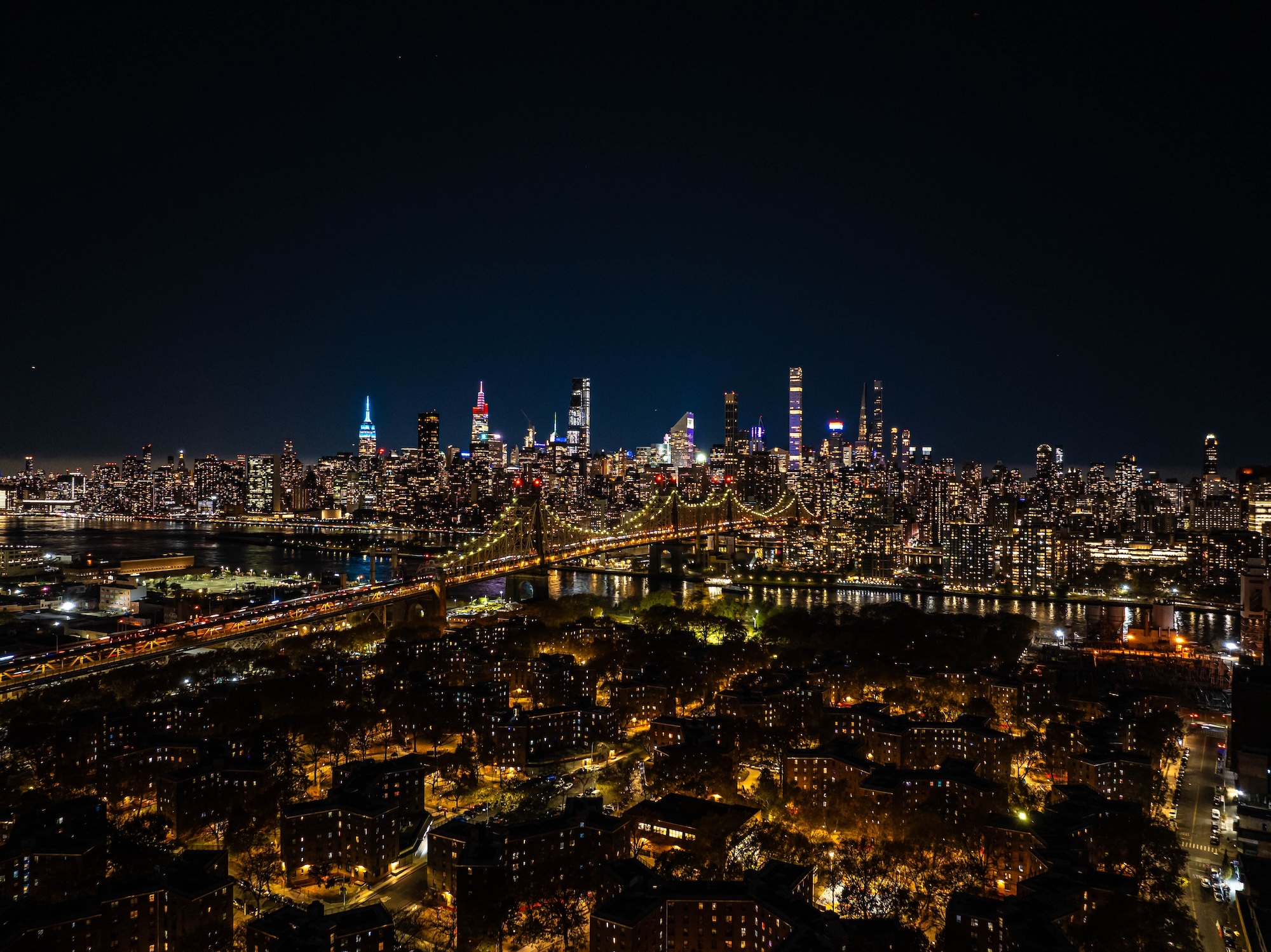
Photo by 21 Ariels via Shutterstock.com
That glow — skyglow — isn’t just a frustration for stargazers. It throws off migrating birds, changes how nocturnal animals hunt, and affects plant cycles too (National Geographic). And the cultural loss is real. For thousands of years people navigated by stars, used them to mark seasons, found meaning in their patterns. Losing the night sky means losing something we didn’t realize we were giving up.
What You’ll See in Capitol Reef
Out here, the view is something else. On a clear night the Milky Way spreads across the whole sky, dense with stars that feel almost close enough to touch. Depending on the season, you might pick out Orion, spot Jupiter or Saturn, or watch a meteor shower go by. Park rangers and astronomy volunteers run events throughout the year — setting up telescopes, guiding visitors through constellations, the whole thing (Visit Utah: Dark Skies in Capitol Reef).
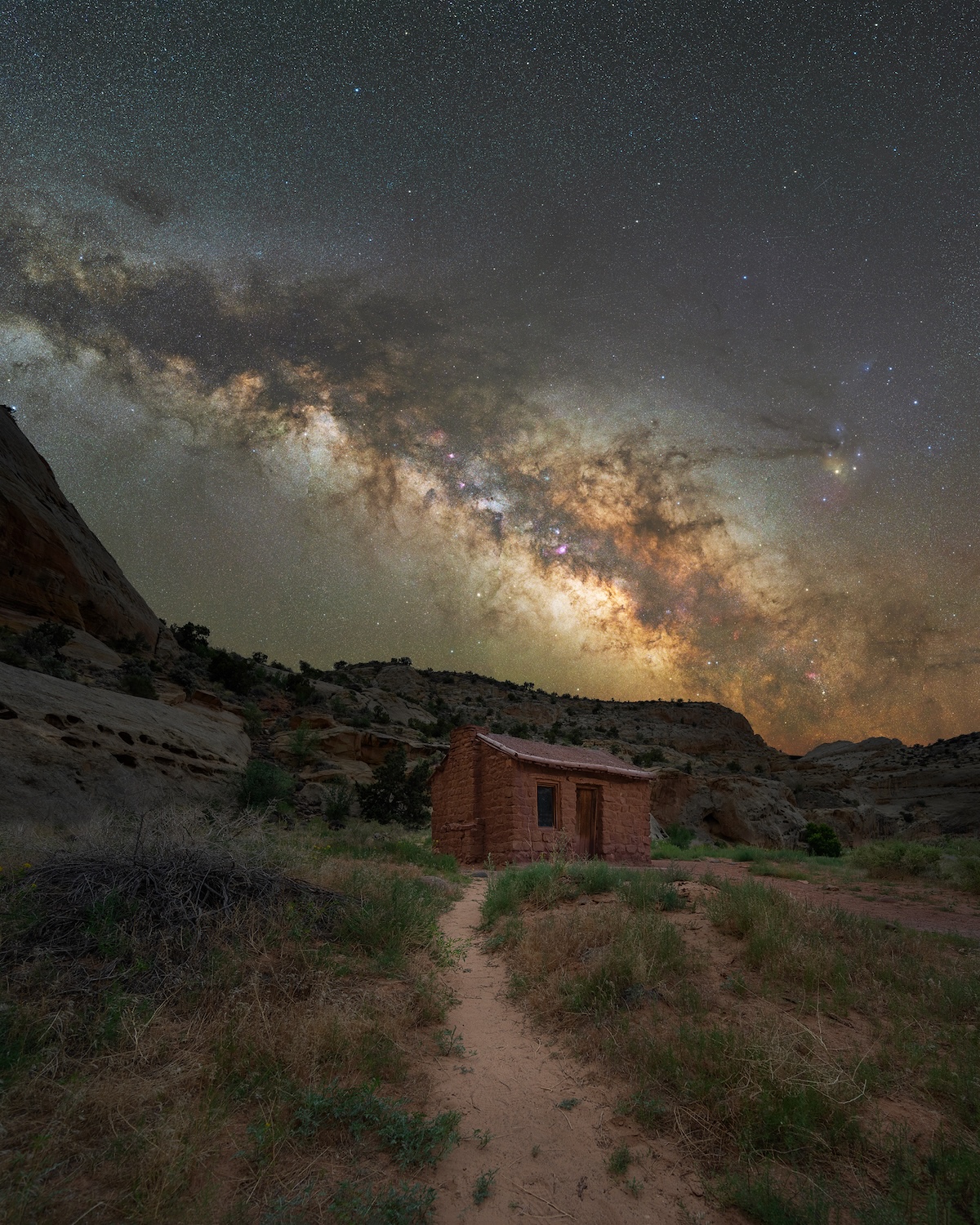
Photo courtesy of NPS
And you don’t need expensive gear. Even with the naked eye, Capitol Reef is one of the clearest windows to the universe you’re likely to find. Bring binoculars or a small telescope and you can start picking out lunar craters, Jupiter’s bands, the faint glow of distant galaxies. Really cool stuff.
Where to Go for the Best Skies
Honestly, almost anywhere in Capitol Reef is good. But a few spots stand out:
- Fruita Campground — Right in the heart of the park. Walk out of your tent and you’re already there. Convenient and genuinely dark.
- Panorama Point — Just off Highway 24, easy to reach, sweeping horizon views. Good for catching the Milky Way rise or set.
- Cathedral Valley — For the adventurous. Remote, backcountry, some of the darkest and most pristine skies in the whole park. If you want real solitude with your stargazing, this is the one.
- Torrey, Utah — The gateway town to Capitol Reef, and in 2018 it became Utah’s first certified Dark Sky Community. Even from town, you’re seeing more stars than almost anywhere in the country.
That last one is worth noting. Torrey’s commitment to night-sky protection makes the whole region — not just the park — a place that takes this seriously (USU Extension: Economy of a Dark Sky Town).
Why Protecting Dark Skies Matters
Protecting the night sky isn’t just about the view. It’s about habitat, about cultural history, and about giving people the chance to feel genuinely small in the best possible way. “Astrotourism” is a real and growing thing — more people every year traveling specifically to places where the stars still come out (Conde Nast Traveler). We can all do our part: shielded fixtures, warm bulbs, lights off when they’re not needed (DarkSky lighting guide).
The Lodge Connection
For guests at the Lodge at Red River Ranch, the dark-sky experience doesn’t stop at the park gate. Step outside your room and the stars are already overhead. Take a walk to the hot tub and watch more of them emerge as your eyes adjust. The Lodge is far enough from any city glow — and keeps its outdoor lighting low and warm — that you don’t need to drive anywhere to get the experience. And of course, being just minutes from Capitol Reef means you can spend the day in the canyons and the evening watching the Milky Way come up. For a lot of our guests, that combination is what they end up remembering most.
Plan Your Visit
Capitol Reef’s skies are part of what makes this place itself — as essential as the Navajo sandstone domes or the pioneer orchards in Fruita. They’re a little overwhelming the first time, in the best way. Take a moment to look up. That’s really all you have to do.